About Me
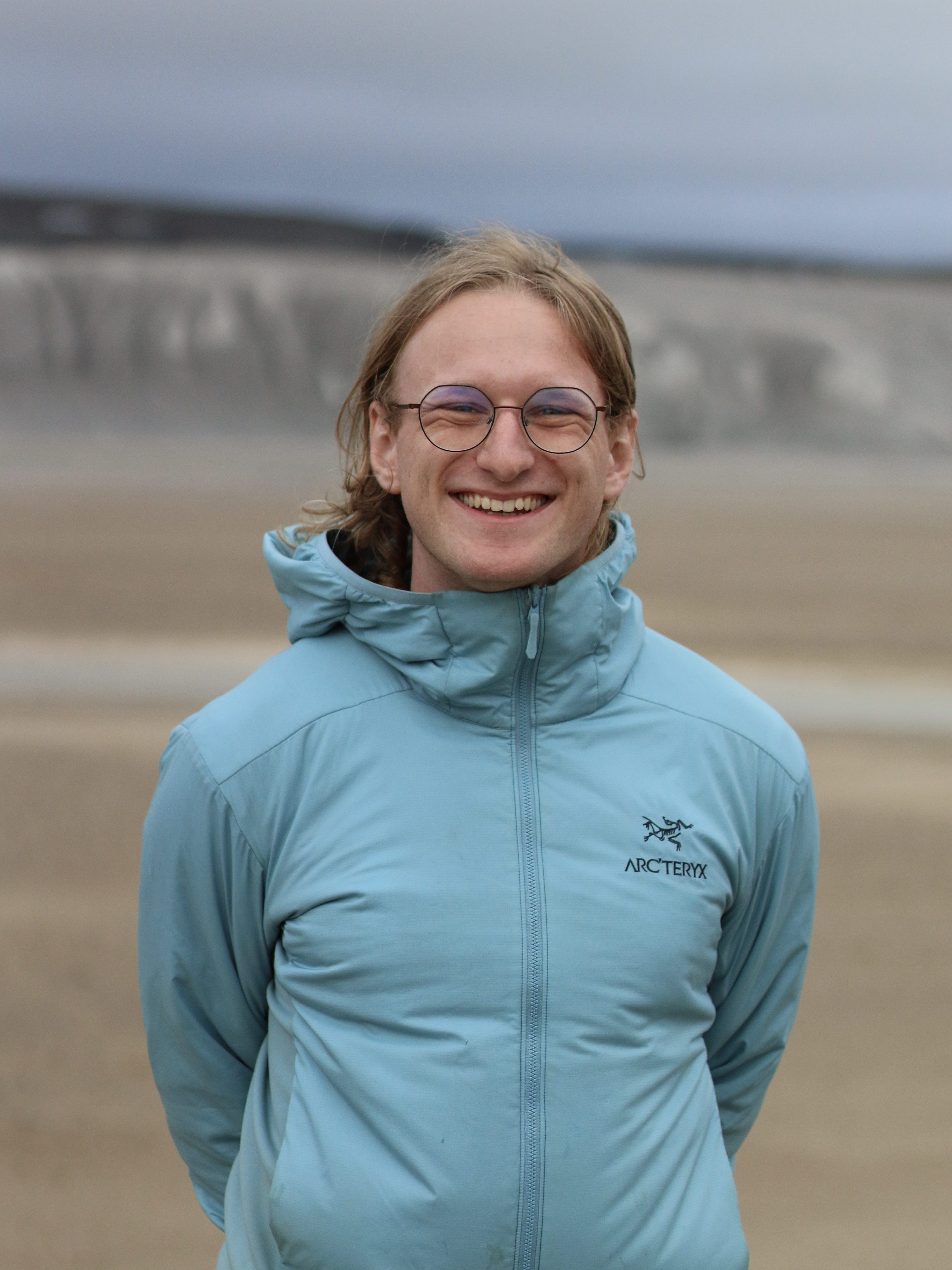
My name is Jonas, I’m currently a PhD candidate at Simon Fraser University in the Department of Earth Sciences and the School of Environmental Sciences.
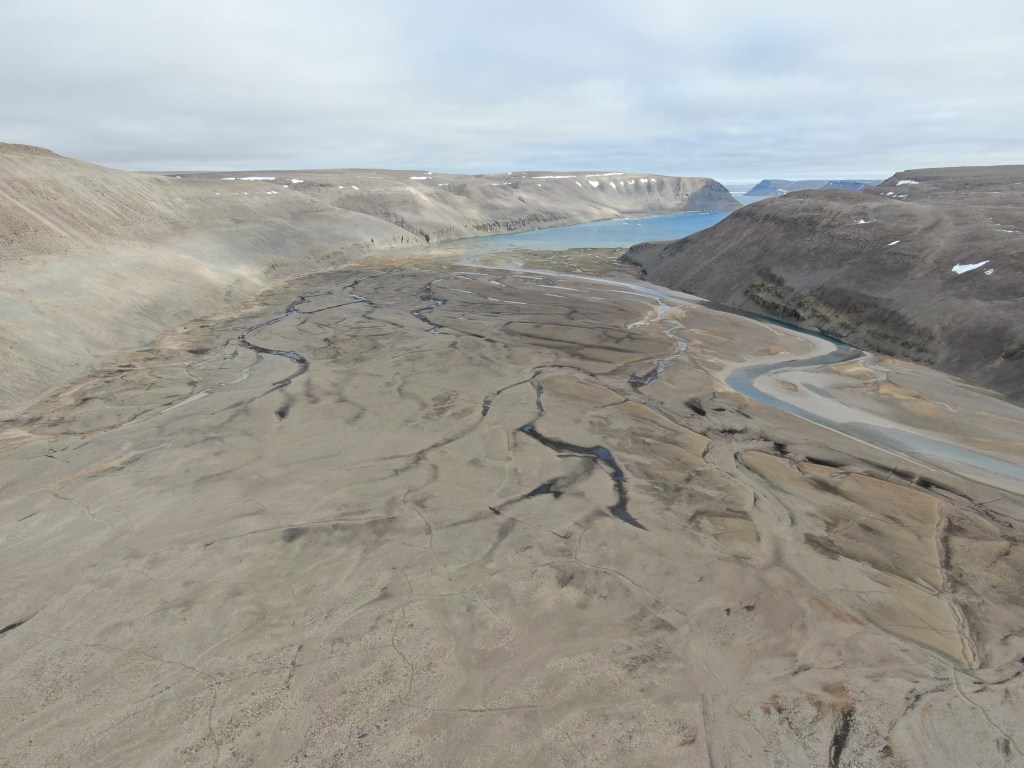
In my research I am interested in understanding how new channel networks are developing in the High Arctic under a rapidly warming and wetting climate. I use analogue laboratory experiments and field observations to develop new models for erosion in periglacial environments. My work starts at the grain-scale, researching the physics underpinning erosion and thawing. We then scale up to the landscape-scale using numerical modelling informed by the grain-scale processes. In my research I combine fluid mechanics and granular physics with geomorphology and geophysical field methods.
When I’m not doing research I spend my time running and exploring the outdoors hiking, kayaking or skiing. I’m also an avid fan of board games and reading on the many rainy days here in the Pacific Northwest.
Email: jonas_eschenfelder@sfu.ca
Education
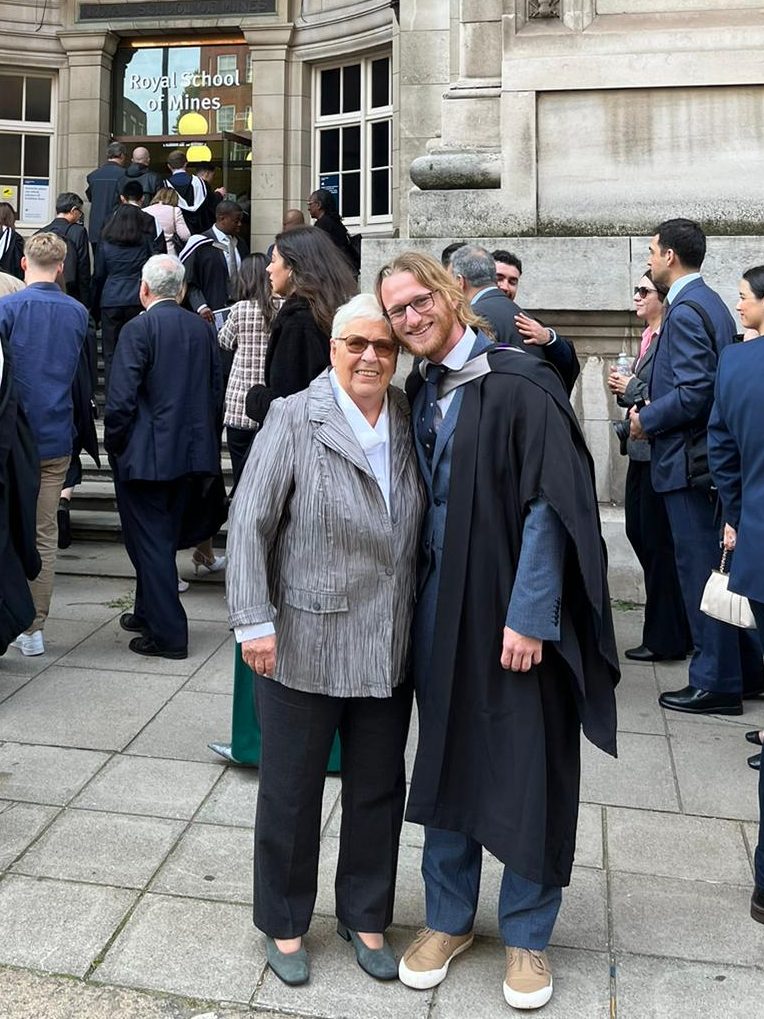
I attended Imperial College London starting in 2018 studying Geophysics. I graduated with my MSc in 2022 with First Class honours.
During my time at Imperial, I was able to explore different areas or research.
In Summer 2020, I worked as an Undergraduate Research Assistant under Professor Gareth Collins studying fresh crater clusters on Mars. In this project, we mapped recent impact crater clusters in HiRISE imagery with the goal to characterise cluster characteristics used to explore the makeup of Mars’ atmosphere using meteor fragmentation models.
In 2021, I took part in PRACE’s Summer of HPC programme to learn about using high performance computing (HPC) in research using the Modelling Across Scales Atmosphere model. As part of this programme, I also gained my first experiences with science communication.
In my final year independent research project, under the supervision of Dr. Gareth Roberts, I developed a new method to quantify the anthropogenic contribution to excess heavy metal concentrations in river sediments using a conservative mixing model. We successfully applied this model to the Clyde River in Scotland where to estimate that around 9.7 tonnes of excess Lead are introduced to the Clyde per year.
I joined Simon Fraser University in October 2022 to pursue my PhD in Earth Sciences working with Dr. Shawn Chartrand in the Landscape Dynamics Lab on understanding how new channel networks are developing in the Canadian High Arctic.
Outreach and Service
At Imperial College, I was elected as the Academic Representative for the Department of Earth Science first years in 2018/2019, was the Royal School of Mines Wellbeing & Events Officer in 2019/2020 and served as Chair for the Imperial College Tabletop society.
I also played American Football and represented the Royal School of Mines in Lacrosse at Bottle Match as goalkeeper once (although we shall forget the final score here).
At Simon Fraser University, I am part of the Executive Board organising the second annual GEAR Up Graduate Research Day. This is an event for all graduate students in the Faculty of Environment to connect with their peers, present their research and learn about graduate school, research, science communication and more.

